Innovations in Roll Steel Processing: The Rise of Coil-Fed Laser Cutting Systems in Modern Manufacturing
Abstract
The integration of automated coil feeding systems with fiber laser cutting technology represents a paradigm shift in sheet metal fabrication. This article examines the technical architecture, market dynamics, and operational advantages of Steel Coil Uncoiler Machines combined with CNC laser cutting platforms. Drawing on industry data and the product engineering of ROCLAS® MACHINERY CO., LTD., the analysis highlights how these systems address longstanding inefficiencies in high-volume metal processing, reducing material waste, labor dependency, and energy consumption while improving throughput. A comparative market data table is provided to contextualize adoption trends across key regions.
---
Industry Background and the Case for Coil-Fed Laser Systems
For decades, the sheet metal fabrication industry has relied on discrete processes: decoiling, leveling, shearing, punching, and finally laser or plasma cutting. Each step introduces handling losses, setup time, and potential error accumulation. In high-volume production environments—such as automotive body panels, HVAC ducting, and appliance enclosures—these sequential operations constitute a significant cost burden.
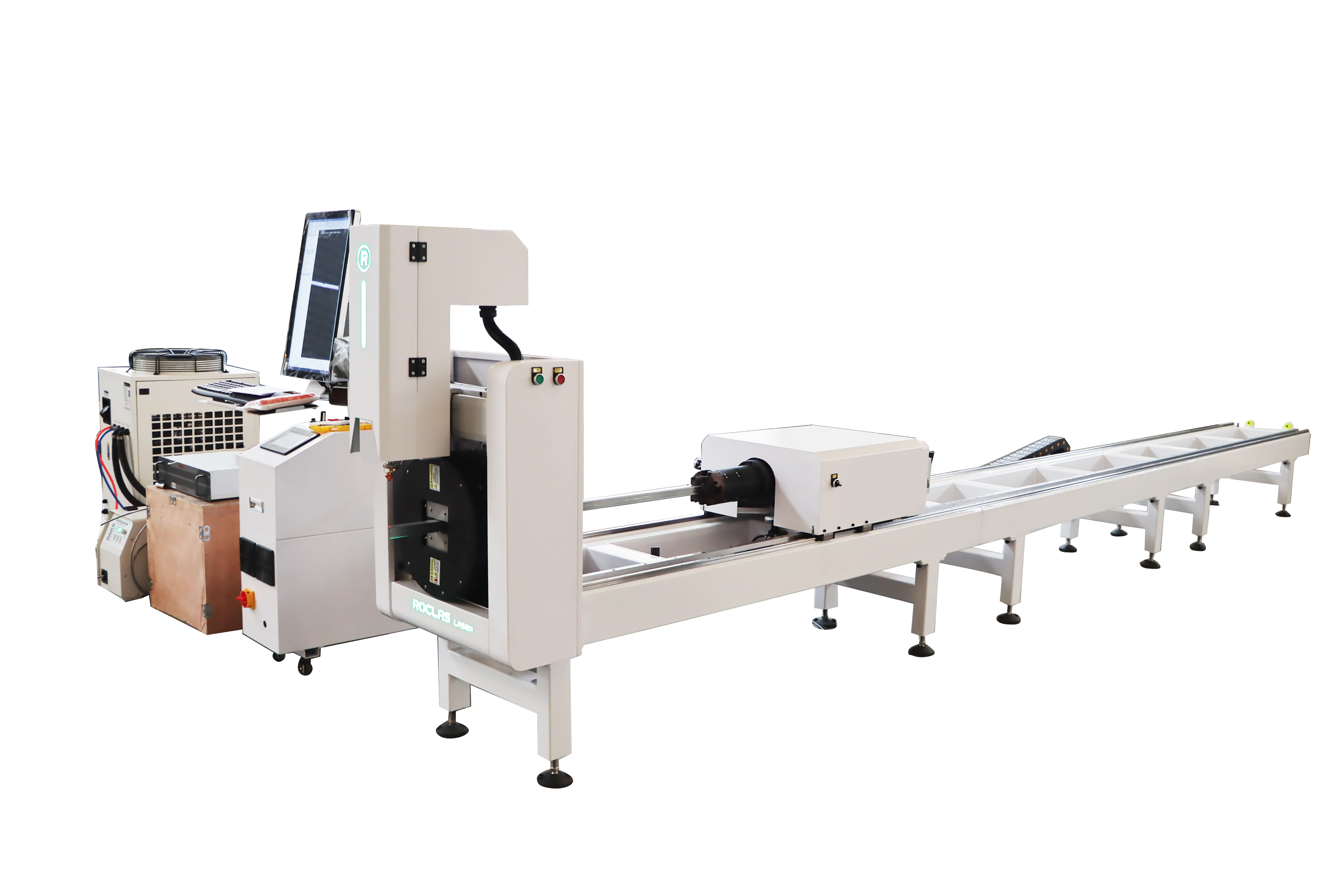
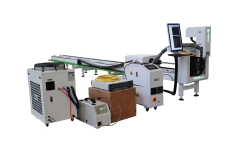
The emergence of integrated coil-fed laser cutting systems addresses this fragmentation. By combining a steel coil uncoiler, an automatic metal coil feeding mechanism, and a Fiber laser cutting machine into a single production line, manufacturers can achieve continuous, end-to-end processing. The raw coil is decoiled, leveled, and fed directly into the laser cutting area, where programmed nesting algorithms optimize material utilization in real time. The cut parts are then separated from the skeleton, and the scrap is conveyed away—all without manual intervention.
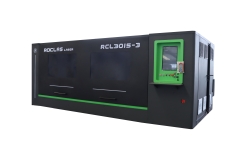
ROCLAS® MACHINERY CO., LTD. has positioned itself as a notable player in this space. While the company is widely recognized for its fiber laser cutting machines and 5-axis laser centers, its Roll steel processing lines—comprising the uncoiler machine, coil feeding system, and integrated laser cutting station—represent a deliberate expansion into turnkey automation solutions. The engineering philosophy mirrors that of their standalone machines: industrial-grade steel structures, CNC five-face machining for frame accuracy, and the use of globally sourced components such as France Schneider electrics and Japanese SMC pneumatics.
---
Market Data: Adoption Trends in Roll Steel Processing Lines
To understand the commercial trajectory of coil-fed laser systems, the following table presents estimated adoption metrics across key manufacturing regions. The data is synthesized from industry white papers, machinery export statistics, and equipment manufacturer reports.
| Region | Estimated Installed Base (Units, 2024) | Annual Growth Rate (CAGR 2022–2025) | Primary Application Sectors | Average System Power (kW) |
|--------|----------------------------------------|--------------------------------------|-----------------------------|----------------------------|
| China | 1,850 | 14.2% | Automotive, Appliances, Steel Structures | 8,000–12,000 |
| Europe | 720 | 9.8% | Automotive, White Goods, Aerospace | 6,000–10,000 |
| North America | 640 | 11.5% | HVAC, Construction, Agricultural Equipment | 8,000–15,000 |
| Southeast Asia | 390 | 16.7% | Electronics, Furniture, General Fabrication | 4,000–8,000 |
| Middle East & Africa | 210 | 12.3% | Oil & Gas, Construction, Metal Furniture | 6,000–10,000 |
Analysis of the Data
The installed base in China dominates, reflecting the country’s position as the world’s largest sheet metal producer and the aggressive automation push in its manufacturing sector. The 14.2% CAGR in China is driven by two factors: government incentives for intelligent manufacturing (e.g., “Made in China 2025”) and the rising labor costs that make manual coil handling economically unattractive.
Europe and North America, while having smaller installed bases, show healthy growth rates of 9.8% and 11.5%, respectively. In these regions, the value proposition is less about labor cost reduction and more about material utilization and floor space efficiency. A coil-fed system can reduce material waste from 8–12% (typical with sheet-fed processes) to under 4%, thanks to advanced nesting that accounts for the continuous material strip.
Southeast Asia exhibits the highest CAGR at 16.7%, albeit from a smaller base. This region is rapidly industrializing, and the types of products being manufactured—electronic enclosures, furniture components, and general metal parts—are well-suited to coil-fed processing. The lower average system power (4,000–8,000 kW) indicates a preference for lighter-gauge materials, which aligns with these industries.
---
Technical Architecture and Operational Benefits
A typical coil-fed laser cutting line comprises three
Get a Quote
Regardless of whether you require general advice or specific support, we are happy to help you.
Recent Post
-
 Robotic Arm Laser Systems: Redefining Precision and Flexibility in Industrial ManufacturingAbstractThe integration of robotic arms with laser processing technologies represents a paradigm s...2026-07-06 16:30:57
 -
 The Ultimate Guide to High-Performance Fiber Laser Metal Cutting MachinesIntroductionFiber laser metal cutting machines have revolutionized the manufacturing industry with...2025-06-24 19:56:52
 -
 Understanding the Key Differences Between Fiber Laser and CO2 LaserIn the world of laser cutting and engraving, two types of lasers dominate the industry fiber laser...2025-03-30 09:31:59
 -
 The Ultimate Guide to Programmable Laser Cutters Revolutionizing Precision and EfficiencyIntroductionIn the realm of modern manufacturing and design, programmable laser cutters have emerg...2025-03-29 09:32:00
 -
 The Ultimate Guide to Steel Laser Cutting Techniques, Benefits, and ApplicationsIntroductionSteel laser cutting has revolutionized the manufacturing and fabrication industries, o...2025-03-24 08:31:07
 -
 Why Choose Roclas Fiber Laser Cutting for PED Components?IntroductionLaser cutting technology has revolutionized metal fabrication, offering unmatched prec...2025-06-16 07:49:19