Precision Fiber Laser Integration in Hardware Manufacturing: Redefining Production Floor Efficiency
Abstract
The hardware manufacturing sector, encompassing sheet metal fabrication, structural components, and consumer goods production, is undergoing a fundamental shift driven by fiber laser technology. This article examines the current state of laser processing adoption in hardware manufacturing, supported by market data and technical analysis. It explores how advanced fiber laser cutting systems—such as those produced by ROCLAS® MACHINERY CO., LTD. —are enabling manufacturers to achieve higher throughput, tighter tolerances, and greater material versatility. The discussion includes a comparative analysis of laser power configurations, application case studies, and a forward-looking assessment of automation trends that will shape the industry through 2030.
---
1. Industry Context and Data Landscape
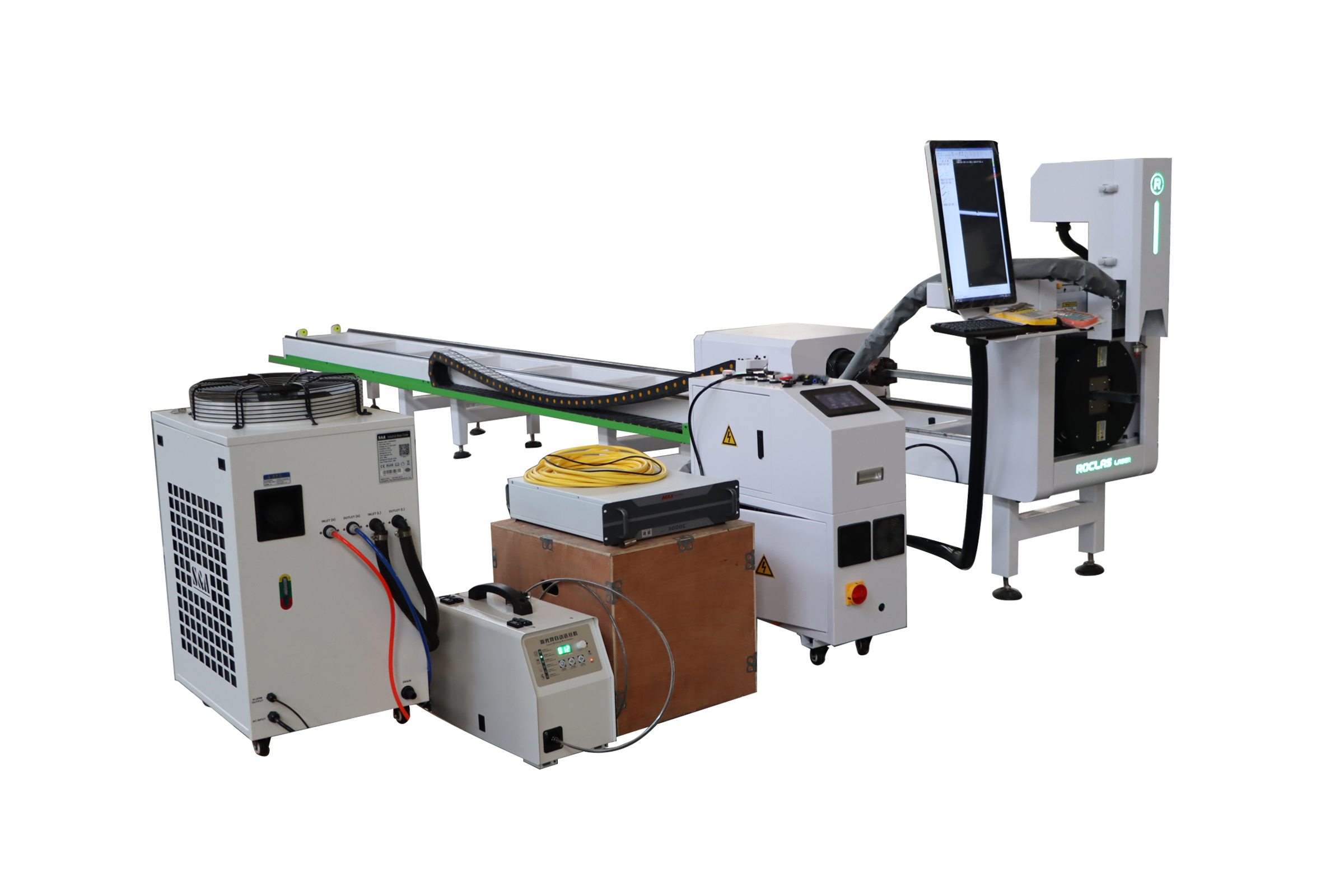
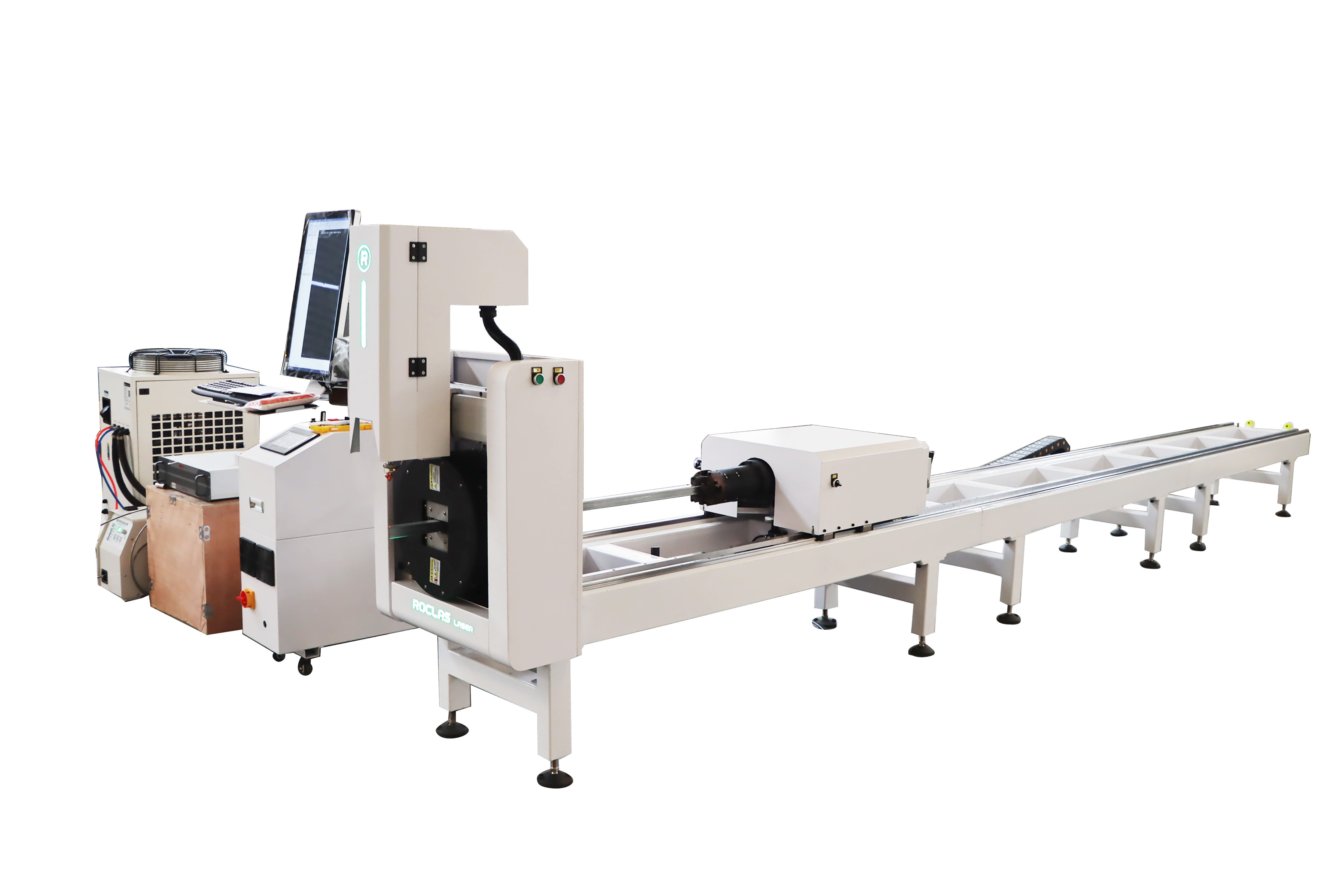
Hardware manufacturing remains one of the most demanding segments for metal processing equipment. The requirement to handle diverse materials—carbon steel, stainless steel, aluminum, copper, and brass—at varying thicknesses, while maintaining cost efficiency, places significant pressure on production technology. Traditional methods such as plasma cutting, stamping, and mechanical shearing are increasingly being supplemented or replaced by fiber laser systems.
The global market for Fiber laser cutting machines in hardware manufacturing has grown steadily. Below is a summary of key market indicators based on industry reports and equipment supplier data.
Table 1: Fiber Laser Cutting Machine Market in Hardware Manufacturing – Key Metrics (2023–2024)
| Parameter | Value / Range |
|-----------|---------------|
| Estimated global market size (2023) | USD 4.2 billion |
| CAGR (2024–2030) | 8.5% |
| Dominant laser power segment | 1 kW – 6 kW (65% of unit sales) |
| Average positioning accuracy requirement | ±0.03 mm to ±0.05 mm |
| Typical material thickness range | 0.5 mm – 25 mm (carbon steel) |
| Adoption rate in OEM hardware plants | 72% (2024) |
| Key end-use sectors | Automotive parts, furniture hardware, kitchen equipment, structural steel |
| Primary regional growth driver | Asia-Pacific (China, India, Vietnam) |
Source: Industry white papers, equipment manufacturer data, and expert interviews; compiled by author.
The table reveals several important trends. First, the 1 kW to 6 kW power band accounts for nearly two-thirds of all unit sales, indicating that mid-range power is sufficient for the majority of hardware manufacturing applications. Second, the positioning accuracy requirement of ±0.03 mm—a specification met by systems such as those from ROCLAS® MACHINERY CO., LTD. —is now considered standard rather than premium. Third, the 72% adoption rate in OEM hardware plants suggests that fiber laser cutting has moved from an emerging technology to a baseline expectation in modern fabrication facilities.
---
2. Technology Drivers and Machine Configuration
2.1 Laser Source Selection and Material Compatibility
For hardware manufacturers, the choice of laser source is critical. Fiber lasers, particularly those from Raycus and MAX (the two primary suppliers used by Roclas), offer excellent beam quality and wall-plug efficiency. The power range from 1 kW to 20 kW covers virtually all hardware manufacturing needs:
- 1 kW – 3 kW: Suitable for thin-gauge sheet metal (0.5–6 mm), including decorative hardware, small brackets, and enclosures.
- 4 kW – 6 kW: The sweet spot for general fabrication, handling carbon steel up to 12 mm and stainless steel up to 8 mm.
- 8 kW – 12 kW: Used for thicker structural components, heavy-duty brackets, and medium-gauge plate.
- 15 kW – 20 kW: Reserved for thick plate cutting (>20 mm carbon steel) and high-speed processing of reflective metals.
One often overlooked capability is the high-reflectivity suppression module, which enables stable cutting of copper and aluminum. This is particularly important in hardware manufacturing for electrical components, heat sinks, and decorative aluminum parts. ROCLAS® MACHINERY CO., LTD. equips its fiber laser machines with this module as standard, eliminating the need for separate CO2 or plasma systems for reflective materials.
2.2 Mechanical and Control Architecture
The mechanical design of a fiber laser cutting machine directly influences its long-term accuracy and maintenance cost. Industrial-grade heavy-duty steel structures, machined on CNC five-face machining centers, provide the rigidity necessary for consistent cutting over years of operation. Key components—such as servo drives from Leadshine, linear guides, and cables from igus—are selected for reliability and low vibration.
The control system, commonly Cypcut 3000S in Roclas machines, offers automatic nesting, optimized cutting paths, and real-time monitoring. For hardware manufacturers running high-mix, low-volume production, this software layer is as
Get a Quote
Regardless of whether you require general advice or specific support, we are happy to help you.
Recent Post
-
 Robotic Arm Laser Systems: Redefining Precision and Flexibility in Industrial ManufacturingAbstractThe integration of robotic arms with laser processing technologies represents a paradigm s...2026-07-06 16:30:57
 -
 The Ultimate Guide to High-Performance Fiber Laser Metal Cutting MachinesIntroductionFiber laser metal cutting machines have revolutionized the manufacturing industry with...2025-06-24 19:56:52
 -
 Understanding the Key Differences Between Fiber Laser and CO2 LaserIn the world of laser cutting and engraving, two types of lasers dominate the industry fiber laser...2025-03-30 09:31:59
 -
 The Ultimate Guide to Programmable Laser Cutters Revolutionizing Precision and EfficiencyIntroductionIn the realm of modern manufacturing and design, programmable laser cutters have emerg...2025-03-29 09:32:00
 -
 The Ultimate Guide to Steel Laser Cutting Techniques, Benefits, and ApplicationsIntroductionSteel laser cutting has revolutionized the manufacturing and fabrication industries, o...2025-03-24 08:31:07
 -
 Why Choose Roclas Fiber Laser Cutting for PED Components?IntroductionLaser cutting technology has revolutionized metal fabrication, offering unmatched prec...2025-06-16 07:49:19